
What the medical aid review period means for you (and why it starts before November)

Every year around this time, something big happens in the world of medical aid, and it’s not just in November.

If you currently hold medical cover under an open medical aid scheme or are thinking of subscribing to one, the time between September and December is your months of opportunity. This is when medical scheme administrators begin updating existing schemes upwards in premiums, tweaking benefits, changing provider networks, and changing cover limits, all meant to be effective from the following January.

The knowledge of the annual review schedule stands to benefit your decision-making when determining health cover for 2026. Here follows some information for you to know.

What is the medical aid review period (and when does it start)?

The medical aid review period generally runs from late September through to December, although exact dates vary between schemes. Most of the major schemes begin releasing information in late September or early October, first to brokers and then to the public.

During this time, you’ll start seeing:

  • Premium (monthly contribution) changes
  • Updated benefit limits
  • Network provider adjustments
  • Revised co-payments or exclusions
  • New wellness tools or added-value services

While many refer to it as the “November review period,” the process typically kicks off from September, with more schemes revealing their updates as the weeks progress.

Why do these changes matter?

Your medical aid plan is not static and neither are your healthcare needs. Schemes revise their options annually to:

  • Keep pace with medical inflation and provider fee increases
  • Align with updated industry regulations
  • Adjust for changes in member claims and utilisation patterns
  • Introduce new digital tools or services for better member support

Staying informed about these updates is essential. A plan that served you well this year might not suit your needs or budget in 2026.

What to look out for during review season

When your scheme’s updates become available, pay close attention to:

  • Premium increases: What’s your new monthly cost?
  • Benefit adjustments: Are limits going up or down?
  • Provider network changes: Will your current doctor or hospital still be covered?
  • Out-of-pocket increases: Are there new co-payments or exclusions?
  • Value-adds: Are there any new wellness tools, apps or rewards?

Doing a medical aid comparison helps you weigh up your current plan against what’s newly available across different schemes and options, without necessarily switching funds.

Should you switch funds or just change options?

In most cases, switching to a different option within your current fund is the safer, easier route, especially if your needs have changed. Switching to a different scheme entirely can trigger new waiting periods or exclusions for certain conditions.

Unless there is a compelling reason, it’s usually better to stay within your existing medical aid and look at more suitable options under that umbrella.

How CheckMed can help

With dozens of schemes and hundreds of options available in South Africa, comparing medical aids can quickly become overwhelming. That’s where CheckMed comes in.

We track benefit updates and provide easy-to-understand comparisons, so you can see what fits your needs best, all in one place. Just note: not all premiums and benefits are available at once. Our updates are added as schemes release them, so check back often or speak to one of our consultants for real-time advice.

How to Prepare for the Review Period

Here are 4 simple steps:

  1. Review your current plan: Know what you are paying for, and which benefits you primarily use.
  2. Assess your healthcare needs: What has changed this year? Are there new diagnoses, dependants, or budget changes?
  3. Stay informed: Watch for communication from your scheme and follow any pertinent updates posted on CheckMed.
  4. Get expert guidance: Consult a specialist if you need clarification. An informed decision today saves frustration (and bills) later.

In conclusion

Updates aside, whether that will happen in September or October, being proactive is what truly matters. This review period presents the perfect opportunity to reassess, realign, and ensure that your medical aid covers your needs. In view of this, with such foresight and by utilising the right tools, you should be able to step into 2026 with a plan that fits just perfectly.
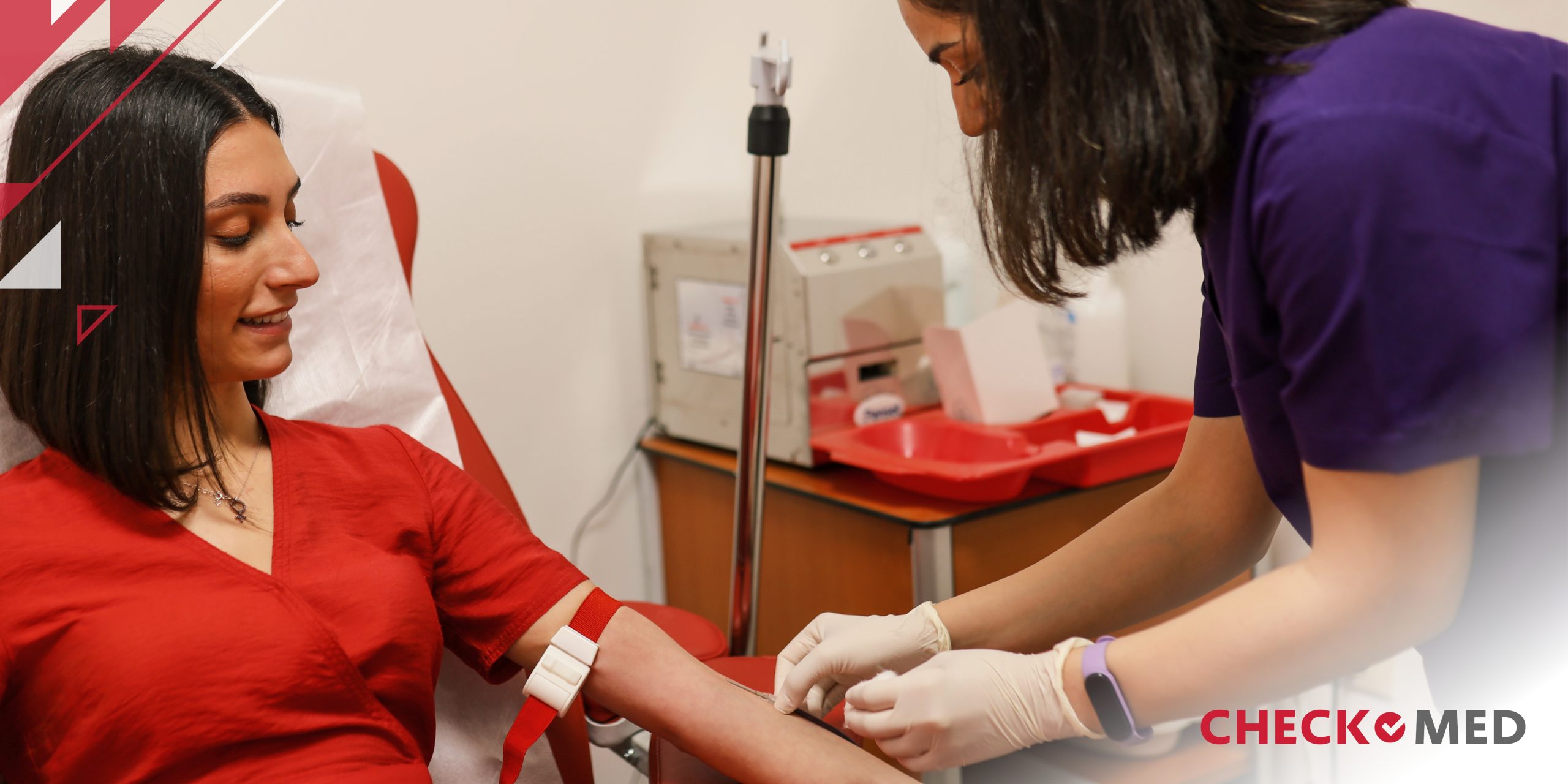

The Power of Prevention: How Women Can Take Full Advantage of Their Preventative Care Benefits

When it comes to women’s health, prevention is much more than peace of mind. It is a proactive measure to live well and stay well. Too often the benefits of preventive care are overlooked simply because we do not know that they exist.

But did you know that depending on your South African medical aid, you could have free or subsidised screenings, contraceptives and even maternity wellness services?

So how does preventative healthcare actually benefit you and how can you ensure that you are not missing out on benefits that your medical aid already pays for?

What preventative care is included in many medical aid plans

Preventative care benefits vary from plan to plan, but many South African medical aids include a core of free or subsidised services, either as part of Prescribed Minimum Benefits (PMBs) or specific scheme benefits.

These often include:

  • Annual PAP smears and mammograms (especially for women 40+)
  • HIV, cholesterol, and blood sugar screenings
  • Contraceptive cover — such as oral contraceptives, injectables, or IUDs
  • Childhood immunisations
  • Antenatal and postnatal care
  • Wellness screenings through pharmacies or scheme partners

While the exact details depend on your plan, most offer these preventative care services either from your risk benefit (not affecting your day-to-day savings) or as added value services. That means they often cost you nothing extra, you just need to use them.

Why using preventative benefits saves you more in the long run

These are carried out to help in the prevention of avoidable complications, which could be debilitating and costly. A routine PAP smear could catch the early signs of cervical cancer, and yearly breast exams may be able to detect abnormalities before they require invasive treatment. Likewise, checking blood pressure or glucose regularly is the best way to prevent future and far more severe complications such as stroke or diabetes.

By using these benefits early and consistently, you reduce your risk of:

  • Unexpected hospitalisations
  • Costly treatments down the line
  • Co-payments for avoidable chronic conditions

In other words, putting your health first today means fewer financial and emotional concerns tomorrow. It’s not merely about staying well; it’s about staying financially protected.

Maternity and contraception: What’s often included (and what’s not)

Preventative care becomes more pertinent if planning to have a baby or already expecting. Numerous medical funds offer separate maternity and contraceptive benefits designed to assist and accommodate you in every phase of your journey.

These may include:

  • Antenatal consultations (up to 6–12 visits)
  • Ultrasounds and blood tests
  • Newborn screenings
  • Access to 24/7 baby advice lines (like Bonitas’ Babyline)
  • Lactation consultants or milestone check-ups
  • Monthly allowances for antenatal supplements (e.g., R195/month for vitamins)
  • Contraceptive benefits, including hormonal options, implants, or IUDs

However, not all plans are created equal. Some cover these from the hospital benefit only, while others include dedicated maternity programmes, even on entry-level hospital plans. Always check the fine print.

How to find out what your plan includes

Understanding your preventative healthcare benefits starts with knowing where to look. Here’s how to make sure you’re in the know:

  • Log in to your member portal to view your benefits and remaining limits
  • Download the scheme’s benefit guide or brochure
  • Check if services are paid from your savings or the risk pool
  • Confirm which provider networks are covered
  • Ask if pre-authorisation is required for screenings or maternity care

If in doubt, speak directly to your medical aid or a broker who can walk you through your cover. Being informed means being empowered, especially when it comes to your health.

Prevention is powerful, and often already paid for

Your medical aid isn’t just a safety net – it’s a gateway to smarter, healthier living.  Preventative care covers a wide range of benefits, including contraceptives, cancer screenings, and maternity support.  Every woman’s health journey is unique and ever-changing – make sure you’re making the most of the benefits designed specifically for you.

So, next time you procrastinate when booking that check-up, or when reminders keep ringing for your respective screening, remember that prevention is not an option but a right.

Compare schemes now with CheckMed to find a plan that puts your health first. Let’s help you make the most of your preventative healthcare benefits, because your wellbeing is worth it.